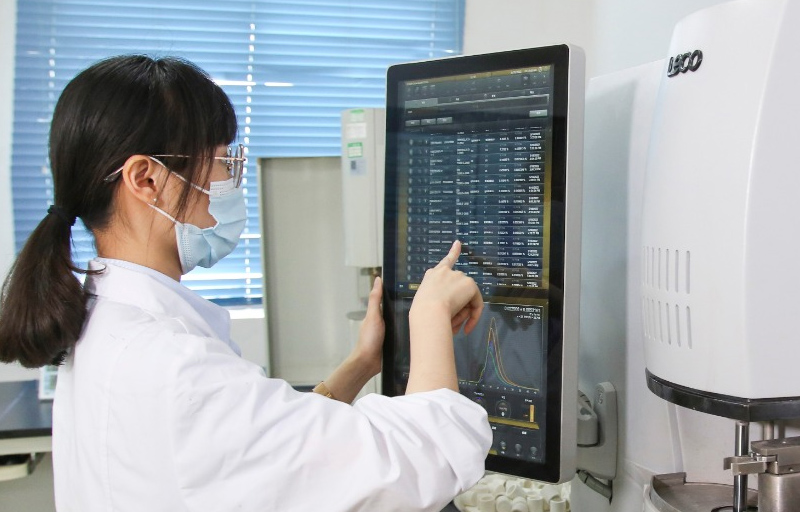
Environmental testing is conducted to evaluate the environmental adaptability of products, determine whether their design meets contract requirements, and provide decision-making basis for accepting or rejecting products. Reliability testing is used to quantitatively evaluate the probability of a product completing its specified function within a specified time under specified environmental conditions. These environmental conditions include temperature, humidity, salt spray, vibration and shock, pressure, solar radiation, sand and dust, and rain.